
What Wisdom Teeth Removal Costs and What Recovery Is Really Like
Short answer
There's no set fee for dental work in Australia, so the cost depends on whether the removal is simple or surgical, and you should get a written quote. For most people recovery is a few quiet days, and many are back to normal activities within about a week, though a difficult removal takes a bit longer.
At a glance
- A simple extraction is for a tooth that has come through normally. A surgical extraction is needed when a tooth is impacted or still in the bone.
- Most wisdom teeth are removed under local anaesthetic, so the area is fully numb while you stay awake.
- It's normal for the jaw and gum to be sore and a little swollen, with minor bleeding, for the first few days.
- Avoid smoking, straws, vigorous rinsing or spitting, alcohol and strenuous exercise for the first days, because all of these can dislodge the healing blood clot.
- Dry socket happens in roughly one in twenty extractions, and causes a severe, throbbing pain that starts one to three days after the removal.
Wisdom Tooth Removal: What It Costs and What Recovery Is Really Like
If a wisdom tooth needs to come out, the two big questions are always the same: what will it cost, and how rough is the recovery?
Once you've been told a wisdom tooth should come out, the worry usually shifts to logistics. How much will it set me back, will I be knocked out for it, and how many days will I be eating soup? Here's what to expect, from the chair to the couch.
Simple versus surgical
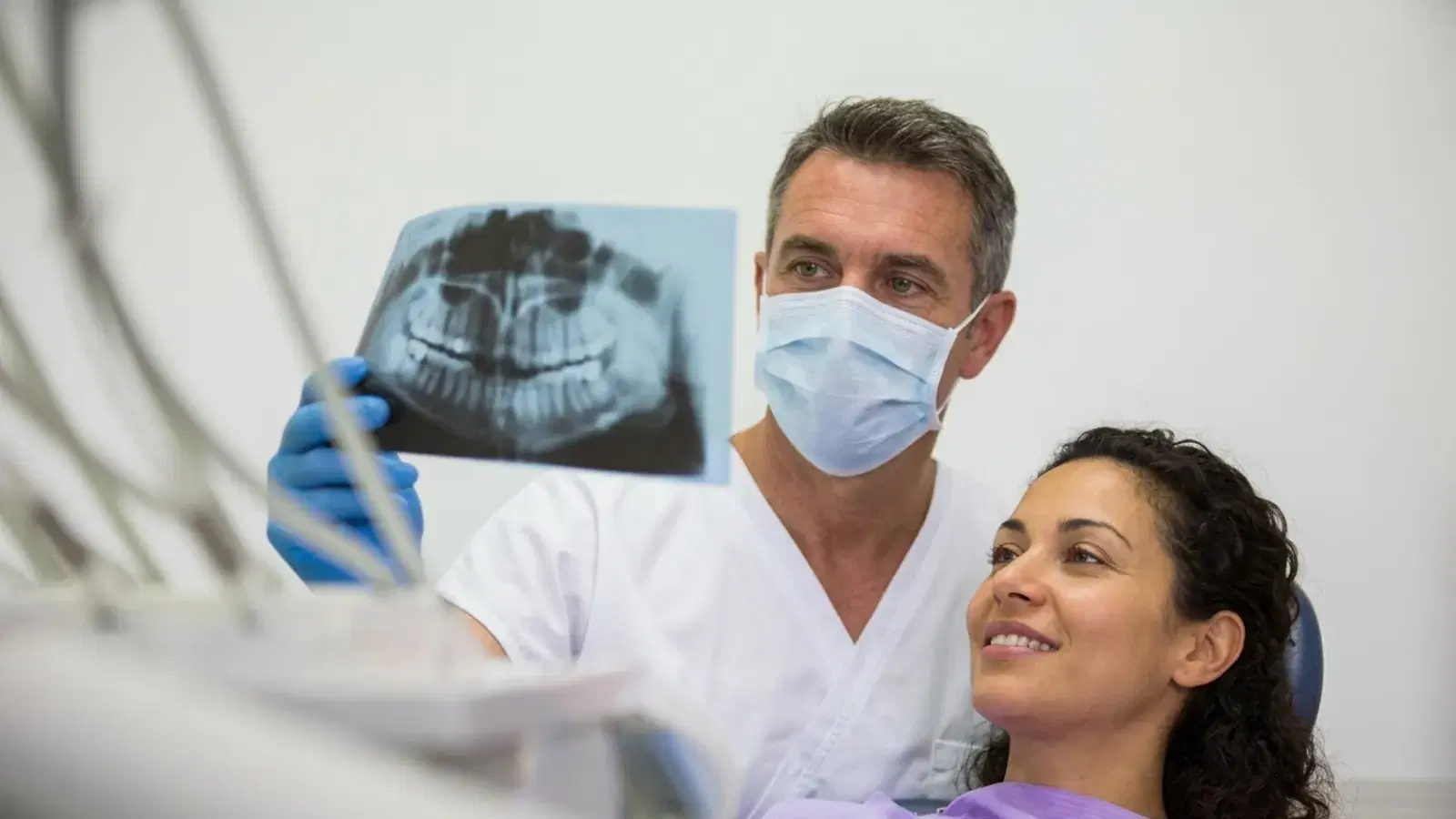
Not all wisdom tooth removals are the same, and the difference drives both the cost and the recovery. A simple extraction is for a tooth that has come through normally and can be lifted out in one piece. A surgical extraction is needed when a tooth is impacted or still in the bone, and may involve a small cut in the gum, removing a little bone, and sometimes dividing the tooth into pieces. Upper wisdom teeth tend to be more straightforward, and lower ones can be trickier.
At Stradbroke we are able to complete both simple and complex wisdom teeth cases in the chair under local anaesthesia. We also have the option of referring you to an oral and maxillofacial surgeon if you would like to consider general anaesthesia, or if the case is extremely complex and unsafe to be completed in chair.
Comfort
Most wisdom teeth are removed under local anaesthetic, so the area is fully numb while you stay awake. Before even starting the procedure we complete a thorough check to ensure that the area is fully asleep. You will likely feel slight force (pushing and pulling) during the procedure, however due to the anaesthetic, you will not feel any pain.
What it costs in Australia
There's no set fee for dental work in Australia, so treat these as indicative and get a written quote for your own situation. Drawing on figures from CHOICE (based on the ADA's fee survey):
- An extraction with a general dentist averages roughly $300-500 per tooth
- A complex or surgical removal by a specialist averages around $500 per tooth, before day-surgery and anaesthetist fees.
- Having all four out under a general anaesthetic in hospital runs to several thousand dollars once hospital and anaesthetist costs are added.
Medicare doesn't cover this for adults, with some exceptions for hospital cases and for eligible children through the Child Dental Benefits Schedule. For an in-chair removal, your extras cover may contribute and we claim it on the spot via HICAPS. For a removal in hospital, you generally need hospital cover as well as extras, and waiting periods can apply, so check with your fund before you book.
What is recovery like?
For most people it's a few quiet days rather than a saga. It's normal for the jaw and gum to be sore and a little swollen, with minor bleeding, for the first few days. Plan on taking it easy. Many people are back to normal activities within about a week, though a difficult removal takes a bit longer. Occasionally, after a lower wisdom tooth, there can be temporary numbness in the lip or tongue that settles over time, which we'll always talk through beforehand if it's a risk for you.
Aftercare: the do's and don'ts
Looking after the area in the first days makes a real difference:
- Rest and keep your head propped up for the first day or so.
- Bite gently on the gauze we give you to help the bleeding settle.
- Eat soft, easy foods for a few days and take pain relief as directed.
- From 24 hours on, gently hold warm salty water in your mouth after meals.
- Avoid smoking, straws, vigorous rinsing or spitting, alcohol, and strenuous exercise for the first days. All of these can dislodge the healing blood clot.
Watch for dry socket
The most common complication worth knowing about is dry socket, which happens in roughly one in twenty extractions. It occurs when the blood clot that should protect the socket is lost or doesn't form, leaving the bone exposed. The tell-tale sign is a severe, throbbing pain that starts one to three days after the removal, often spreading towards the ear, sometimes with a bad taste. It's more likely if you smoke or use a straw, and more common with lower teeth. It's not dangerous, and it's easily treated. Come back in and we'll clean the socket and place a soothing dressing that settles the pain quickly.
When to get help sooner
Ring us promptly if you have heavy bleeding that won't stop with pressure, a spreading swelling in the face, or a fever in the days after surgery. And if swelling ever makes it hard to breathe or swallow, treat that as an emergency and call 000. These situations are uncommon, but they're the ones not to sit on.
If you've got a wisdom tooth that needs sorting, come and see us for an assessment and a clear, itemised quote, with no pressure either way. We're on Burke Road in Kew, we welcome all health funds with HICAPS at the chair, and we're open Saturdays. Book at stradbrokedental.com.au or call (03) 9817 7123.
Sources & further reading
Common questions
- Will I be awake when my wisdom teeth are removed?
- Most wisdom teeth are removed under local anaesthetic, so the area is fully numb while you stay awake. You will likely feel slight force, pushing and pulling, during the procedure. Stradbroke Dental can also refer you to an oral and maxillofacial surgeon if you would like to consider general anaesthesia.
- Does Medicare or my health fund cover wisdom teeth removal?
- Medicare doesn't cover this for adults, with some exceptions for hospital cases and for eligible children through the Child Dental Benefits Schedule. For an in-chair removal, your extras cover may contribute. For a removal in hospital, you generally need hospital cover as well as extras, and waiting periods can apply, so check with your fund before you book.
- What is dry socket?
- Dry socket occurs when the blood clot that should protect the socket is lost or doesn't form, leaving the bone exposed. The tell-tale sign is a severe, throbbing pain that starts one to three days after the removal, often spreading towards the ear, sometimes with a bad taste.
- When can I rinse my mouth after a wisdom tooth is removed?
- From 24 hours on, gently hold warm salty water in your mouth after meals. Avoid vigorous rinsing or spitting for the first days, because it can dislodge the healing blood clot.
- When should I get help after a wisdom tooth removal?
- Contact your dentist promptly if you have heavy bleeding that won't stop with pressure, a spreading swelling in the face, or a fever in the days after surgery. If swelling ever makes it hard to breathe or swallow, treat that as an emergency and call 000.
Related reading
- Wisdom Teeth: Signs They're Coming, and When They Really Need to Come OutNot every wisdom tooth is a problem, and not every one needs to come out. Here's how to read the signs, and how to tell a tooth that can stay from one that shouldn't.
- Root Canal or Extraction? How We Decide (and Why Saving the Tooth Usually Wins)When a tooth is badly infected, you have two roads: save it or remove it. Here's the honest trade-off, and how we help you weigh it up.
- Why Is Dental Care So Expensive in Australia, and What You Can Actually Do About ItThe honest reasons dental bills sting in this country, what your health fund really covers, and practical ways to keep costs under control.
New to Stradbroke Dental?
Your first visit is one fixed fee: exam, comprehensive clean, and X-rays if clinically required.
See what the $199 new patient visit covers