
Why Does My Child Scream at the Dentist, and How to Fix It Without the Drama
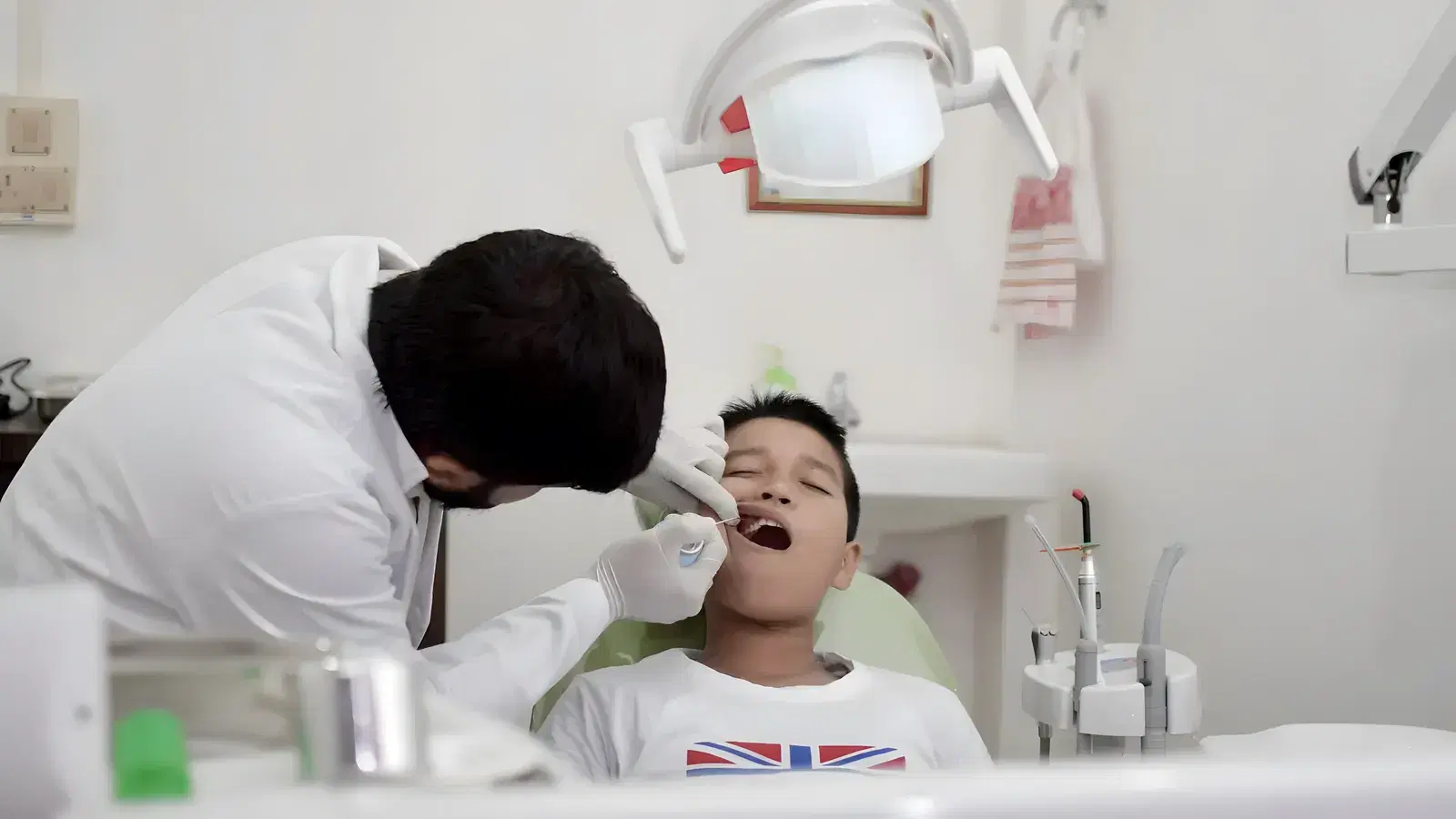
Raising a Child Who Isn't Afraid of the Dentist
Practical, evidence-based ways to raise a child who doesn't dread the dentist, starting with the words you use at home.
If you've ever wrestled a screaming, rigid toddler into a dental chair while apologising to everyone in the waiting room, take a breath: this is incredibly normal, it's not a reflection on your parenting, and it's very fixable. A lot of childhood dental fear is learned, which is the good news, because anything learned can be shaped. Here's how to set your child up to be calm in the chair, and where parents accidentally make it harder.
Start earlier than you think
The single best move is to begin before there's ever a problem to fix. In Australia, the recommendation is a child's first dental visit when their first tooth appears, or by their first birthday, whichever comes first. That sounds absurdly early, but it's the point. Early visits are short, friendly and treatment-free: a count of the teeth, a quick look, a sticker, done. Your child learns that the dentist is a calm, boring, safe place long before there's ever a filling on the table. Waiting until something hurts means their first impression is formed during a crisis, the worst possible introduction.
The words that backfire (and what to say instead)
This is the part most parents get wrong with the best intentions. Children take their emotional cues from us, and certain reassuring phrases actually plant the fear they're meant to remove. Avoid "it won't hurt," your child wasn't thinking about hurt until you mentioned it, now they are. Avoid "be brave" or "don't be scared," since telling someone to be brave signals there's something to be brave about. Steer clear of scary words like needle, drill, pain, pull or shot, even in stories or threats ("behave or the dentist will pull your tooth out" can undo years of goodwill). And never use the dentist as a punishment, or share your own dental horror stories within earshot. Instead, keep your language neutral and positive: the dentist is going to "count your teeth," "check your smile," and "tickle them clean." Dentists use their own gentle substitute words for equipment, and you can mirror that calm, matter- of-fact tone at home.
Before the visit
A little preparation does wonders. Read books or watch cartoons about visiting the dentist, there are loads of friendly ones, and they normalise the whole thing. Play dentist at home, taking turns counting each other's teeth (and the teddy's) with a toothbrush, since familiarity removes the mystery. Book a morning appointment when little ones are rested and cooperative, not tired and hungry before nap time. And check your own energy. Children are expert at reading parental nerves, so even if you dislike the dentist yourself, keep that to yourself and stay relaxed. Your calm is contagious, and so is your anxiety
At the appointment
Good children's dentistry runs on a simple, proven approach called "tell, show, do". The dentist explains each step in kid-friendly words, shows the instrument (lets them touch the little mirror, feel the water spray on a finger), and only then does it. Let your child explore at their own pace. Praise specific things they did well ("you opened so wide!") rather than buying off the fear with a big reward for getting through it. A small treat or sticker at the end is lovely; bribery mid-meltdown teaches them that panic gets results.
If it still goes sideways
Some days, with some kids, it just doesn't click, and that's okay. A short, "unsuccessful" visit where your child simply sat in the chair and left is still a win, because it's another calm experience banked. We won't force or restrain a frightened child to push through a procedure that can wait; we'd rather build trust over a few visits than win one and lose them to dental fear for life. Children grow into this at their own speed.
If it still goes sideways
Much of a child's routine dental care may be covered under the Child Dental Benefits Schedule if your family receives a payment like Family Tax Benefit Part A, up to $1,158 (2026) over two years, covering check-ups, cleans, fillings and more. Cost should never be the reason a child's first experiences with the dentist get delayed.
We see a lot of nervous little ones in Kew, and watching a child go from clinging to the doorframe to hopping up into the chair is one of the best parts of the job. Whenever you're ready to start them off gently, we're at stradbrokedental.com.au
Sources & further reading
Related reading
- Do Baby Teeth Really Matter? Why Cavities in Baby Teeth Still Need Treating"They're just going to fall out anyway" is one of the most common things we hear, and it's also one of the most costly myths in children's dentistry.
- Scared of the Dentist? Here's What We Actually Do for Anxious Patients at Stradbroke DentalDental fear is far more common than most people realise, and there's a lot more we do about it than just telling you to relax.
- Is This a Dental Emergency? What Needs Same-Day Care and What Can WaitNot every dental problem is a middle-of-the-night crisis, and not everyone can safely wait. Here's how to tell the difference and what to do in each case.
New to Stradbroke Dental?
Your first visit is one fixed fee: exam, comprehensive clean, and X-rays if clinically required.
See what the $199 new patient visit covers